
Preventing an LTI is always preferable to addressing the aftermath of an accident. Here are a few practical measures to prevent LTIs.
Employee Training and Education: Regular workshops and safety certifications play a crucial role in reducing lost-time incidents (LTIs). They inform employees of best practices. These range from machine handling to emergency protocols. Businesses that adhere to safe task procedures see 62% fewer safety incidents. Additionally, tailored training programs help employees recognise and avoid job-specific hazards.
Environmental and Ergonomic Assessments: Regular work environment and ergonomics assessments can minimise workplace injury risks. They do this by identifying high-risk areas, like poorly lit spaces or high-traffic zones. Ergonomic adjustments can reduce musculoskeletal disorders by up to 60% in offices. They also lessen injuries from heavy lifting and repetitive motions in high-risk environments.
Building a Safety-First Culture: Workplace safety is a collective responsibility when employees can report unsafe conditions without fear of reprimand. Open communication and leadership support foster this culture, reducing lost time injuries (LTIs) for companies implementing it.
Note: This is the second of three blog posts about a summarised account of lost time injuries (LTIs). Other posts focus on understanding lost time injuries and their impacts.
By
Joji Parambath
Fluidsys Training Centre Pvt Ltd
Bangalore
(+91) 7338385505
info@fluidsys.in
Popular Courses at Fluidsys:

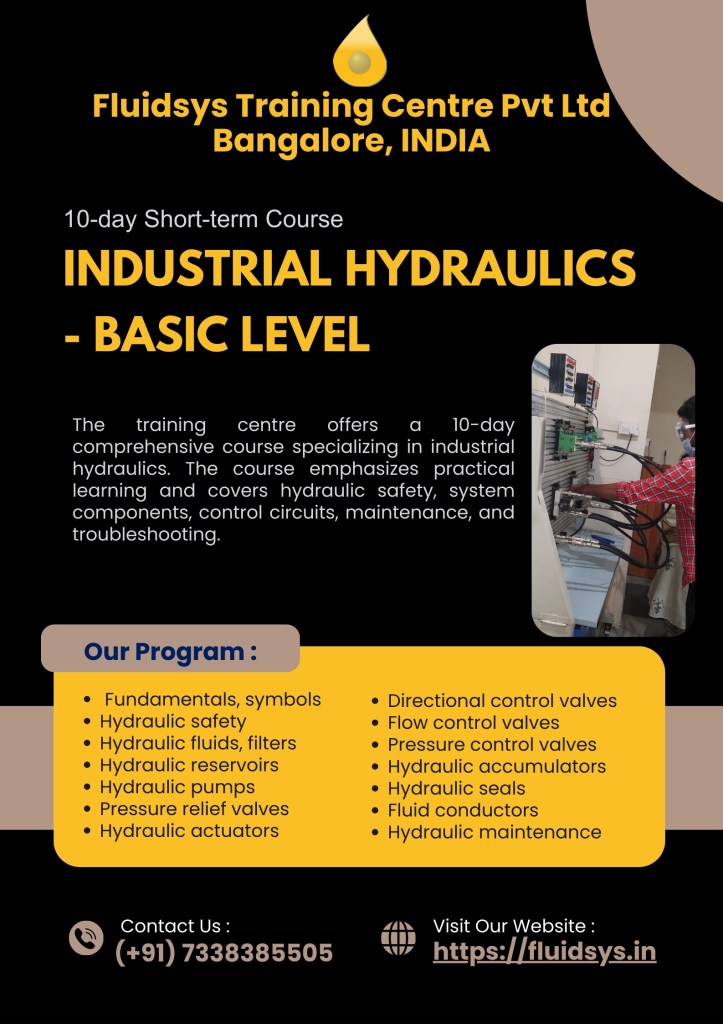
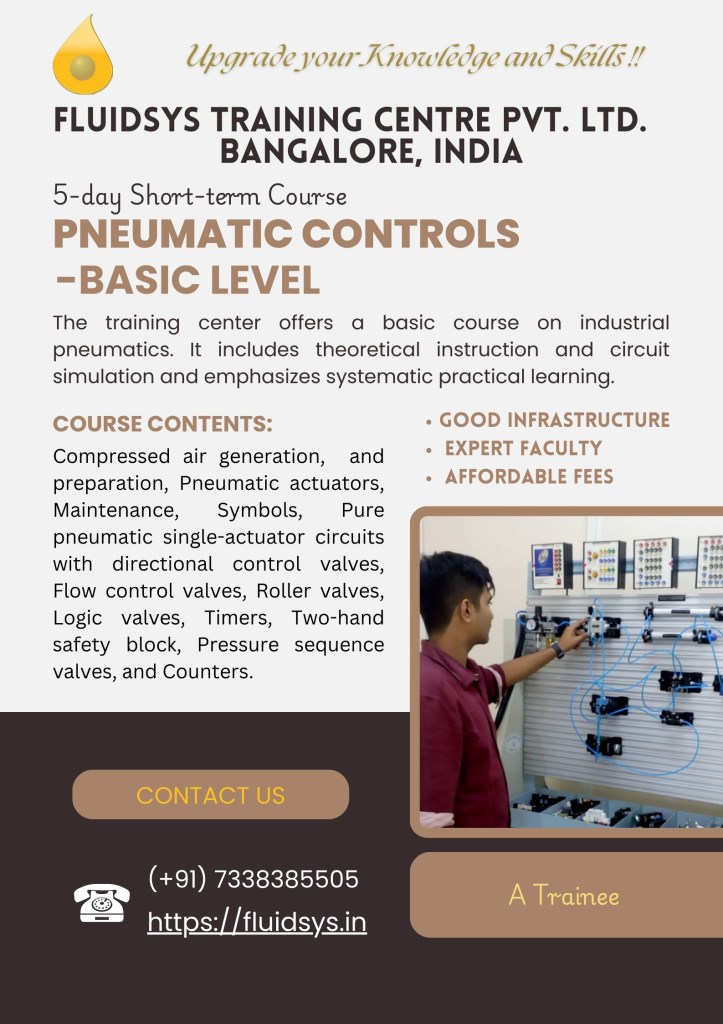
 Fluidsys Training Centre Private Limited
Leave a comment