
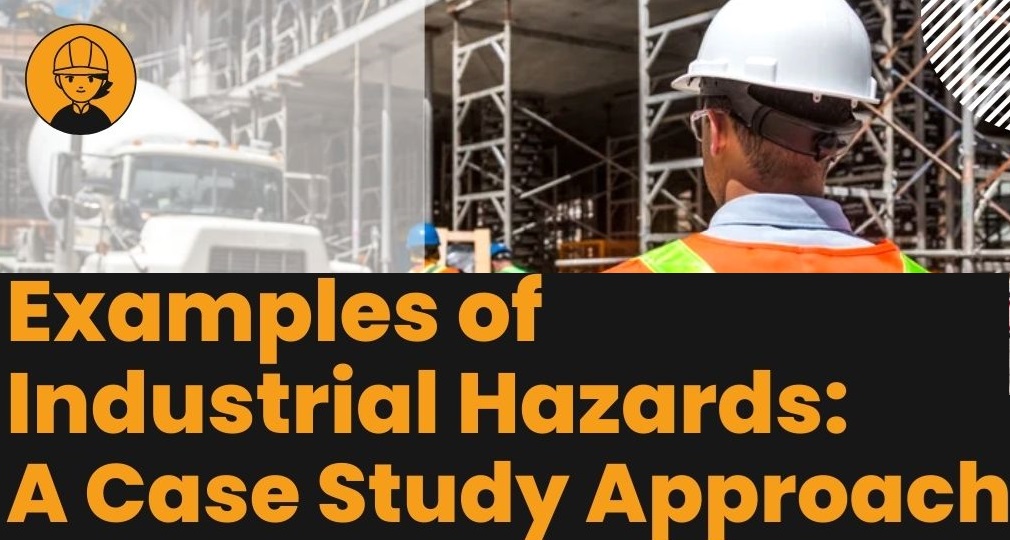
A hazard can potentially cause injury, illness, or even death to personnel in the workplace. It may also result in property damage. Various industrial hazards can threaten the physical well-being of employees. They also pose significant risks that may endanger both personnel and the environment. Each type of hazard presents unique challenges. These range from chemical spills to equipment failures. They include electric shock, industrial fires, psychological issues, and ergonomic problems. Table 1 identifies common industrial hazards, followed by a case study of hazards in heavy industries.
Table 1 | Some examples of industrial hazards
| Hazard | Example |
| Physical | Loud noise, vibration, heat, cold, pressure, radiation, and fibres existing in a physical space |
| Chemical | Flammable/explosive materials, toxic chemicals, and sensitising agents |
| Heat stress | Working near heat-releasing devices like furnaces |
| Fire | Industrial fires |
| Electrical | Electrical faults, defective electrical equipment |
| Mechanical | Mechanical-related risks from rotating parts of machines |
| Traffic | A high volume of vehicular movement within industrial establishments |
| Dust | Dust and fumes that can be inhaled |
| Psychological | Workplace practices and payment systems |
Case Study – Hazards in Heavy Industries
Heavy industries, like iron and steel manufacturing, are beset with many hazards. Some of them are outlined below. Enhancing our understanding of these dangers can improve safety protocols, reduce risks, and foster a safer workplace.
Physical Hazards: These are related to operation logistics, like unloading, preparation, and handling of materials. Risks include slips, trips, and falls due to uneven surfaces or misplaced objects.
Chemical Hazards: These include exposure to toxic elements, corrosive agents, and flammable substances found in various materials. Additionally, the incorrect handling and use of oil in the associated hydraulic system can pose safety risks.
Heat Stress: Heat stress presents considerable risks from exposure to extreme heat during steel manufacturing. This includes heat from molten metal, furnaces, and machinery. This heat is often exacerbated by heavy protective gear. Physically strenuous tasks also contribute to the heat. It can result in potential health issues like heat exhaustion and heat stroke if not managed appropriately.
Mechanical Hazards: These include risks from rotating parts of machines. There are also risks of skin burns from hot materials and surfaces. Careless tool use can lead to hazards. Examples include operators getting caught between or struck by a piece of equipment. Other examples are falling from a height or failing to lock out equipment.
Electrical Hazards: Steel mills pose significant dangers related to electrical hazards. Live electrical wires can lead to electric shocks and severe skin burns. Additionally, faulty electrical equipment poses risks for injuries and can result in fire hazards. Other potential electrical hazards include injuries from arcing and even the risk of explosions.
Traffic Hazards: The high volume of pedestrian and vehicular movement within industrial establishments increases the potential for accidents. Furthermore, workers moving in and out of these establishments during shift changes adds to the complexity and risk.
Safety measures aim to protect employees from hazards. Seemingly minor safety measures, like enhanced lighting or improved machine guarding, can foster a safer working environment.
Please note that the information presented on this blog is intended for educational purposes only. It should not be viewed as professional advice. Always seek guidance from a qualified professional for specific safety requirements or concerns.
By
Joji Parambath
Resource Person / Author
About the Author
Joji Parambath is an accomplished expert in Pneumatics, Hydraulics, and PLC with an extensive 25+ year background in the field. Throughout his career, he has trained many professionals from diverse industries, faculty members, and engineering students.
Joji is a faculty member at Fluidsys Training Centre Pvt. Ltd., in Bangalore, India, (https://fluidsys.in), which offers comprehensive training in Pneumatics and Hydraulics. He has authored an impressive 39 books on the topic. These books are designed to convey knowledge in a simplistic and easy-to-understand manner (https://jojibooks.com).
 Fluidsys Training Centre Private Limited
Leave a comment