

The operational environment in heavy industries, like steel mills, presents various hazards. These hazards can significantly affect worker’s safety and health. Recognizing the causes of these hazards and applying effective control measures are crucial for fostering a safe workplace. The following sections detail the significant causes of hazards within heavy industries along with their corresponding control measures. It should be noted that the list provided is not comprehensive.
Causes of Hazards
The operational environment in heavy industries poses many hazards, some of which are outlined below:
Unguarded Machinery: Machinery without adequate guards expose workers to moving parts, increasing the risk of injury.
Poor Ergonomics: Inefficient workplace design can increase employee’s physical stress.
Confined Spaces: Workers often have to access confined spaces for maintenance tasks. Such areas can pose significant risks.
Extreme Temperatures: Employees must contend with high temperatures during metal processing, which can be physically taxing.
Fire and Explosion Hazards: Activities involving high temperatures and flammable materials always carry ignition risks.
Electrical Burns and Shocks: Poor grounding or insulation can lead to electrical hazards in the workplace.
Inhalable Agents: Dust and fumes in the environment can cause respiratory problems for workers.
Skin Contact with Chemicals: Harmful substances can cause skin burns or allergic reactions upon contact.
Noise and Vibration: Excessive noise can result in permanent hearing loss, while vibrations can lead to musculoskeletal disorders.
Manual Handling: Incorrect lifting practices with heavy materials can result in strains and injuries.
Falls from Heights: Working on elevated platforms, ladders, or scaffolding can lead to falls if proper precautions are not taken.
Falling Objects: Items that drop from heights can lead to serious injuries.
Moving Machinery: There is a risk of being caught in or struck by vehicles, cranes, or forklifts that are operational within the facility.
Hazard Control Measures
To effectively manage these hazards, heavy industries should implement a comprehensive safety program that includes the following measures:
– Regularly evaluate workplace hazards and identify risks.
– Conduct inspections to make sure that machinery is functioning safely.
– Develop procedures to prevent accidental machinery activation during maintenance tasks.
– Provide ongoing training to employees to enhance safety awareness and practices.
– Cultivate a workplace culture focused on safety. Encourage employees to take responsibility for their own safety. They should also be aware of the safety of their colleagues.
– Ensure proper use and maintenance of personal protective equipment (PPE), like helmets, gloves, masks, and steel-toed boots.
– Establish clear reporting protocols for unsafe conditions or incidents that protect employees from retaliation.
Points to Assess for Hazard Implications
To comprehensively address workplace hazards, organizations should carry out detailed assessments that include:
– Establish protocols for monitoring exposure levels to identify potential health impacts.
– Gathering information on hazardous chemicals used in various processes.
– Identify vulnerable worker groups, assess their exposure levels, and understand their health and safety implications.
– Reviewing accident reports to detect trends and root causes of incidents.
– Analysing past incident records to formulate future preventative strategies.
– Collaborating with government health and safety agencies to stay updated on relevant regulations and recommendations.
By implementing these thorough measures, heavy industries can significantly improve workplace safety. They can decrease the frequency of injuries. These actions foster a healthier environment for all employees.
Disclaimer: This article is intended for informational purposes only and does not serve as professional safety advice. Always consult qualified safety professionals for guidance on industrial hazards and safety procedures.
By
Joji Parambath
Fluidsys Training Centre Pvt. Ltd.
Bangalore
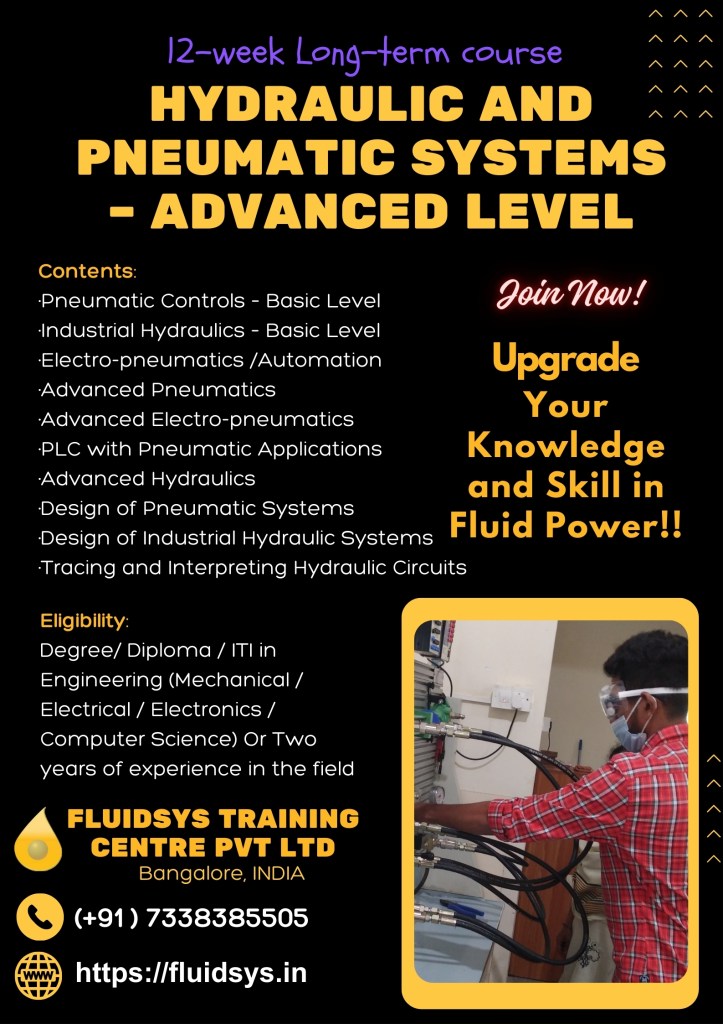
Please contact Fluidsys Training Centre Pvt Ltd., Bangalore, India, for your fluid power training needs.
 Fluidsys Training Centre Private Limited
Leave a comment