
Top Hazards in Heavy Industries and Safety Measures
The operational environment in heavy industries, like steel mills, presents various hazards. These hazards can significantly affect worker’s safety and health. Recognizing the causes of these hazards and applying effective control measures are crucial for fostering a safe workplace. The following sections detail the significant causes of hazards within heavy industries along with their corresponding…

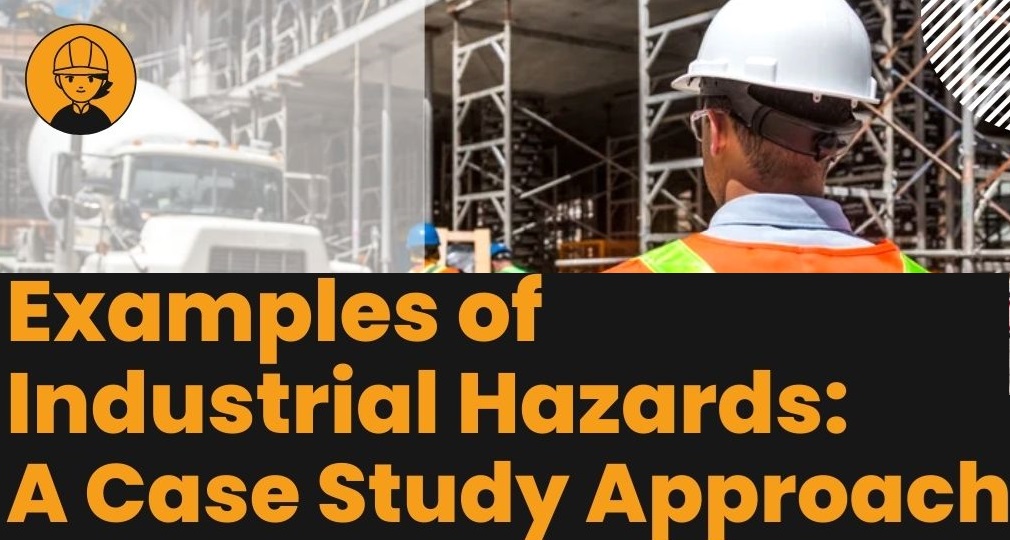
Understanding Industrial Hazards: A Case Study Approach
A hazard can potentially cause injury, illness, or even death to personnel in the workplace. It may also result in property damage. Various industrial hazards can threaten the physical well-being of employees. They also pose significant risks that may endanger both personnel and the environment. Each type of hazard presents unique challenges. These range from…
Strategies to Prevent Lost Time Injuries
Preventing an LTI is always preferable to addressing the aftermath of an accident. Here are a few practical measures to prevent LTIs. Employee Training and Education: Regular workshops and safety certifications play a crucial role in reducing lost-time incidents (LTIs). They inform employees of best practices. These range from machine handling to emergency protocols. Businesses that…
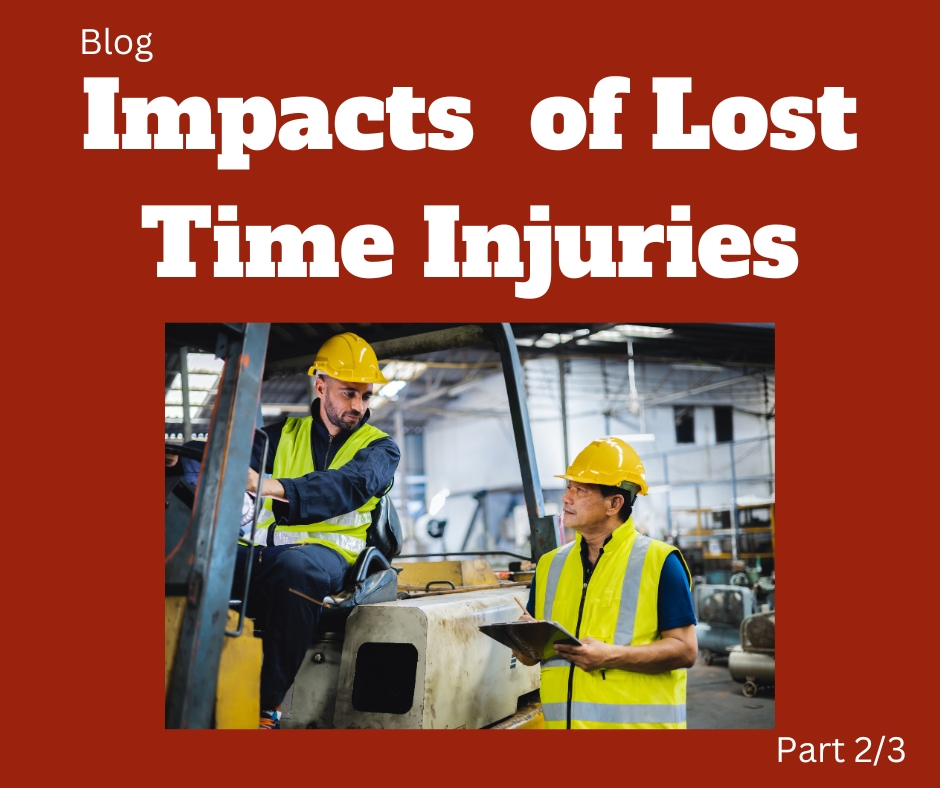
Impacts of Lost Time Injuries
Lost-time injuries (LTIs) affect not only the injured employee but also an organisation’s finances, health, operational efficiency, and culture. Financial Costs: Lost time injuries incur direct costs like medical bills, compensation claims, and insurance, which can add up quickly. Indirect costs also arise from productivity loss, training temporary replacements, and managing incidents. Operational Disruptions: Delays…

Understanding Lost Time Injuries (LTIs)
A lost time injury (LTI) occurs when an employee misses at least one workday due to a workplace incident. Preventing LTIs requires training in safety procedures and use of personal protective equipment. It also involves equipment usage and job-specific practices. Training includes safe lifting, hazard identification, risk assessment, emergency response, and near-miss reporting. Legal requirements…
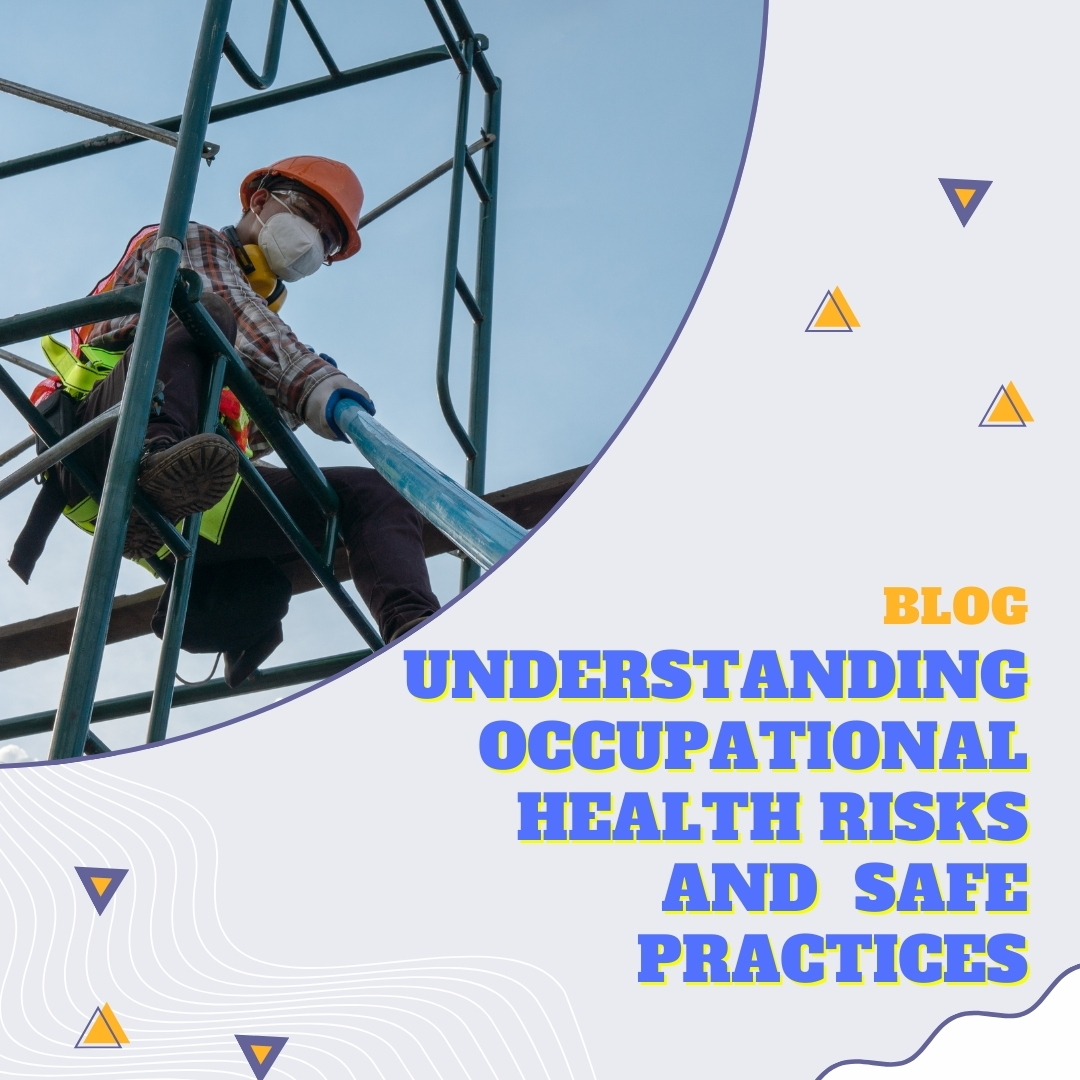
Understanding Occupational Health Risks and Safe Practices
Occupational safety and health are crucial for organizations as they enhance employee well-being. Occupational Health Management Occupational health management promotes and maintains all employee’s physical, mental, and social well-being. Stress, burnout, and fatigue often come from demanding work environments. These environments are marked by excessive hours and pressing deadlines. They also involve irregular shift patterns,…
Understanding Check Valves: Function and Application
A check valve is a simple device incorporating a spring-loaded poppet within a housing featuring two ports, A and B. This design enables easy flow from port A to port B. It effectively prevents any reverse flow from port B back to port A. An accompanying animation enhances understanding of how a check valve operates.…
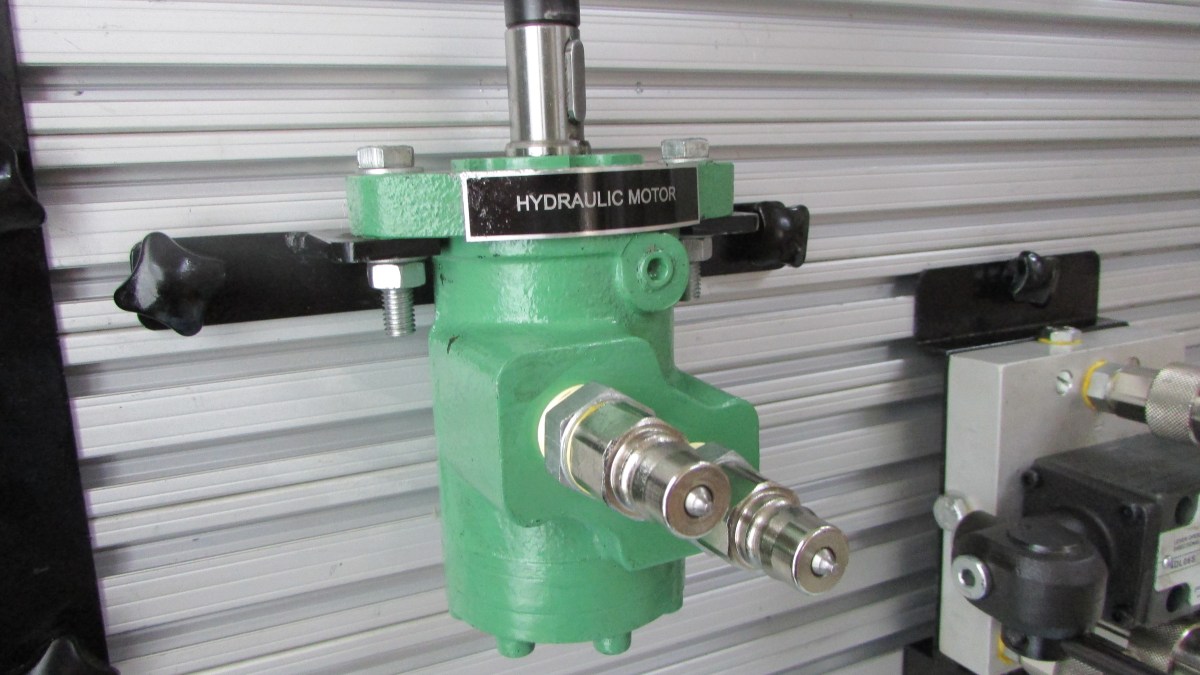
Achieving Smooth Motor Stops with a Float Centre Valve
A 4/2-DC valve can control a hydraulic motor for clockwise and anticlockwise operation. To achieve a smooth stop of the motor, a 4/3-DC float centre (or all open-centre) position valve can be used. If a float centre position valve is used, the circuit can support the independent control of multiple actuators connected to the system.…

How to Operate Multiple Hydraulic Cylinders Independently?
The hydraulic circuit shows how two hydraulic cylinders work independently. It uses 4/3 All-closed-center position directional control valves as the final control elements. The power supply unit includes a fixed-displacement pump that delivers pressurized fluid to the circuit with constant displacement. A pressure relief valve (PRV) can be used to set the highest operating pressure…
Flared and Flareless Tube Fittings: A Comparison of Features
Flared and flareless (compression) tube fittings are commonly used in hydraulic applications. Each type has its unique features. They help make tube end connections. As hydraulic systems evolved to accommodate higher pressures and increased power, steel tubes were adopted for interconnecting various components. Owing to the thin wall sections of these tubes, traditional threading techniques…
Hydraulic Cylinder Operation with 4/2-DC Tandem-center Position Valve
Operation of a Hydraulic Cylinder Using a 4/2-DC Tandem-centre position Valve The hydraulic circuit demonstrates the operation of a hydraulic cylinder using a 4/2- tandem-center position directional control valve. The power supply unit includes a fixed-displacement pump that delivers pressurized fluid to the circuit with constant displacement. A pressure relief valve (PRV) can be used to…
Operation of a Bi-directional Hydraulic Motor Using a 4/2-DC Valve
Control of a Hydraulic Motor using a 4/2-DC Valve The hydraulic circuit demonstrates the operation of a bi-directional hydraulic motor using a 4/2-directional control valve. In the normal position of the directional control (DC) valve, the motor rotates in one direction (for example, anticlockwise). In the actuated position of the directional control valve, the motor…
Direct Control of a Double-acting Hydraulic Cylinder Using a 4/2-DC Valve
Control Task: A double-acting hydraulic cylinder should extend and clamp a workpiece upon actuating a pushbutton valve. The cylinder should remain in the clamping position as long as the valve is actuated. If the pushbutton is released, the cylinder should retract. To achieve this, a hydraulic circuit is developed, with a fixed-displacement hydraulic pump serving…
Control of a Uni-directional Hydraulic Motor
Control of a Uni-directional Hydraulic Motor The video highlights the control of a hydraulic motor for its uni-directional rotation using a 3/2-DC valve (Normally-closed). The power pack supplies the necessary fluid to the hydraulic system. The pressure relief valve (PRV) limits the maximum pressure in the system. Hydraulic motors drive belts and rollers in conveyor…
Common Causes of Hydraulic Pump Failures
A hydraulic pump may fail due to wear, surface degradation, leakage, insufficient fluid delivery, noisy operation, drive failure, and pump breakdown. The wear may be caused by fluid contamination, viscous fluid, misalignment, loose bolts, and under-lubrication. The surface degradation may be due to cavitation, higher rate of oxidation, and misalignment. The probable causes of leakages…
Control of a Single-acting Hydraulic Cylinder
Control of a Single-acting Hydraulic Cylinder The video highlights the control of a single-acting hydraulic cylinder using a 3/2-DC valve (Normally-closed). The power pack supplies the necessary fluid to the hydraulic system. The pressure relief valve (PRV) limits the maximum pressure in the system. A single-acting hydraulic cylinder can be used in applications where the…
 Fluidsys Training Centre Private Limited